The New Creative Standard Is Motion Plus Expression
AI video creation has entered a more exciting stage. A few years ago, simply generating a moving clip from a prompt was enough to impress people. The idea felt futuristic, even if the result was a little strange, a little unstable, or not quite ready for serious use. But in 2026, creators are asking for more. They do not just want motion. They want control, style, timing, performance, and videos that feel like they can actually live on social platforms, in marketing campaigns, in music releases, or inside a larger creative project.
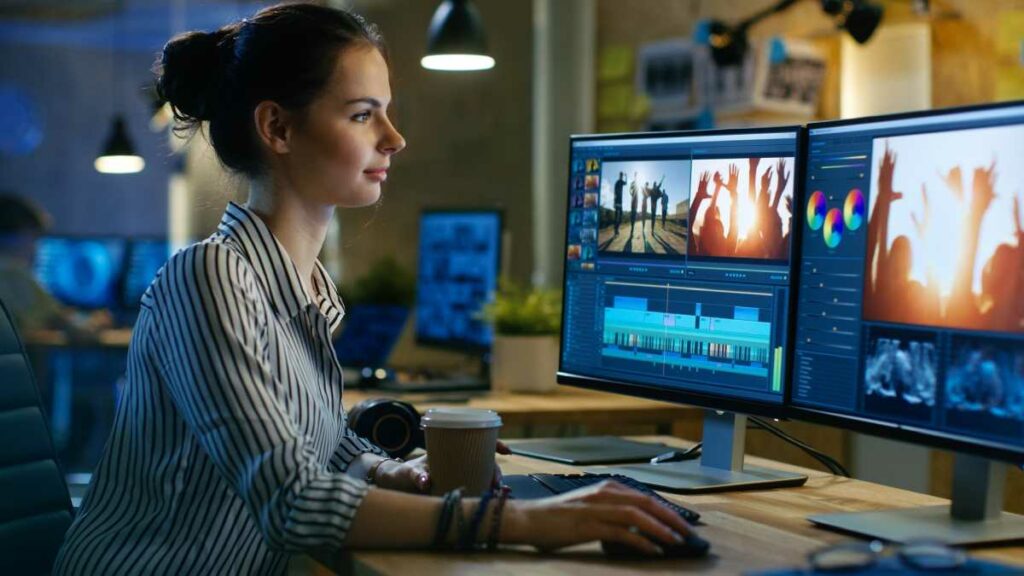
That is why the conversation around AI video tools is becoming more practical. The question is no longer “Can AI make a video?” The better question is “Can AI help creators make videos that people actually want to watch?” That difference matters. A random moving image may be interesting for a few seconds, but a strong video needs rhythm, mood, character, and emotional connection. It has to feel like an idea with direction, not just a technical demo.
This is especially true for creators working with music, characters, digital avatars, short-form storytelling, and branded content. These formats depend on more than visual style. They need expression. They need movement that supports the message. They need faces that feel connected to voices. They need a workflow that turns imagination into something believable without forcing every creator through a full production pipeline.
Why Video Generation Is Becoming More Useful
One major reason AI video tools are getting so much attention is that visual content now moves faster than traditional production can comfortably handle. A creator may need a short clip for a song release, a brand may need a product teaser, a marketer may need several ad concepts, and a social account may need fresh visual content every day. Traditional video production can absolutely produce excellent results, but it is not always realistic for every idea, every post, or every fast-moving trend.
This is where AI generation begins to feel like a real creative advantage. It gives people a way to test ideas quickly before committing too much time or budget. A creator can explore a futuristic scene, a cinematic portrait, a stylized character moment, or a dramatic product reveal without starting from zero. The process becomes lighter, and that changes creative behavior. People try more ideas when the cost of trying is lower.
A tool like Seedance 2.0 fits into this shift because it supports the growing demand for stronger AI-powered motion. It gives creators a way to think beyond static visuals and start building scenes with atmosphere, movement, and story potential. That kind of video generation is useful not only because it is faster, but because it makes more ambitious visual thinking feel possible.
A Good Clip Needs More Than Movement
Motion alone does not make a video compelling. Anyone can notice the difference between a clip that simply moves and a clip that feels directed. A good video has visual logic. The camera movement supports the mood. The subject fits the scene. The pacing makes sense. The atmosphere feels consistent. The viewer feels that the clip was created with a purpose.
That is one of the biggest challenges for AI video creation. If a tool only generates random motion, the result may look interesting but still feel empty. Creators need more than that. They need a way to create videos that match the emotional tone of their idea. A music clip should feel musical. A brand video should feel polished. A character-driven video should feel alive. A social post should communicate quickly and clearly.
This is why better AI video tools are becoming part of the creative planning process, not just the output stage. They help creators explore mood, composition, motion, and visual identity earlier. Instead of waiting until the end to see whether an idea works, creators can test directions quickly and adjust before the project becomes too heavy.
The Performance Layer Is Becoming Essential
The next big piece of the puzzle is performance. A video can have a great scene and still feel incomplete if the subject on screen does not connect with the audio. This is especially true when a person, avatar, or animated character is supposed to speak or sing. Viewers are extremely sensitive to mismatched mouth movement. If the lips do not match the sound, the illusion breaks immediately.
That is why lip synchronization is becoming such an important part of modern AI video workflows. It adds a human-like performance layer to digital content. It turns a still character into a speaker, a virtual singer into a performer, and an animated face into something that feels more present. For music videos, explainer content, virtual hosts, social clips, and character-based storytelling, this can completely change how engaging the final video feels.
This is where Lip Sync AI becomes valuable. It helps connect voice, lyrics, or dialogue with visual mouth movement, making digital subjects feel more natural and expressive. In a content environment where attention disappears quickly, that extra layer of believability can make a huge difference.
Why Synchronization Matters So Much
Good synchronization is not only a technical detail. It is part of the emotional experience. When a character’s mouth moves naturally with the audio, the viewer stops thinking about the tool and starts paying attention to the message. That is exactly what creators want. The technology should disappear into the performance.
This matters in music content because vocals carry emotion. If a digital singer looks disconnected from the lyrics, the entire clip feels weaker. It matters in marketing because a talking avatar needs to feel confident and clear. It matters in education because a presenter that appears expressive can make information easier to follow. It matters in entertainment because timing is often what makes something funny, dramatic, or memorable.
Bad sync makes content feel artificial. Good sync makes it feel alive.
Combining Motion and Voice Creates Stronger Content
The most exciting workflows happen when AI video generation and audio-driven performance tools work together. One layer creates the world. The other brings the subject inside that world to life. Together, they allow creators to build content that feels more complete than a simple animated background or a static talking image.
Imagine a musician creating a stylized performance video without organizing a full shoot. Imagine a brand building a digital spokesperson for product explainers. Imagine a creator turning a character illustration into a short speaking scene. Imagine an educator making lessons more engaging with expressive visual presenters. These are not distant ideas anymore. They are becoming realistic parts of the creator toolkit.
The advantage is not just speed. It is flexibility. Creators can test different characters, visual styles, voices, and moods before choosing the strongest direction. This makes the process feel more like directing and less like fighting software.
Small Teams Can Now Think Bigger
One of the most important effects of AI video tools is that they expand what smaller teams can attempt. In the past, polished video usually required a production setup: cameras, editors, actors, animators, post-production, and time. That still matters for many high-end projects, but not every idea can afford that level of production.
AI gives creators another path. A solo musician can experiment with visual performance. A small business can make video content that feels more dynamic. A marketer can test multiple concepts before choosing one. A social creator can build character-driven clips without needing a full animation team.
This does not mean every AI-generated video will be perfect. It means the starting point is changing. More ideas can be tested. More concepts can become visible. More creators can move from imagination to output without waiting for ideal production conditions.
Human Direction Still Makes the Difference
Even with powerful tools, the creator’s taste still matters most. AI can generate motion and sync audio, but it cannot decide what kind of video should exist. That decision still belongs to the human behind the project.
Should the scene feel cinematic or playful? Should the character look realistic or stylized? Should the pacing be fast for social media or slower for storytelling? Should the video feel emotional, polished, surreal, commercial, funny, or dramatic? These choices shape the final result more than the technology itself.
The best creators will not be the ones who simply press generate. They will be the ones who know how to guide the tool. They will understand mood, timing, audience, and visual identity. AI reduces the technical burden, but creative direction is still what makes the work stand out.
The Future of AI Video Looks More Expressive
The next phase of AI video will likely be less about random generation and more about expressive control. Creators will want videos that can move, speak, sing, perform, and carry emotion. They will want tools that make production faster without making the final result feel cheap. They will want workflows that help them create more content while still keeping a strong sense of style.
This is why video generation and lip-sync tools are becoming so closely connected. The future of video is not just about scenes. It is about performers, voices, characters, and stories. It is about content that feels active rather than static. It is about giving creators a way to build videos that communicate quickly and feel alive from the first second.
Final Thoughts
AI video creation in 2026 is becoming more practical, more expressive, and more useful for everyday creators. Advanced video models help turn visual ideas into motion, while lip-sync tools make characters and subjects feel connected to real audio. Together, they form a creative workflow that is much more powerful than either layer alone.
For musicians, marketers, educators, brands, and digital creators, this shift opens up new possibilities. Videos can be tested faster. Characters can perform more believably. Ideas can move from concept to screen with less friction. Most importantly, creators can spend more energy on the vision itself instead of getting stuck in the technical weight of production.
That is why this new AI video stack feels so important. It does not just make content faster. It makes more expressive content possible for more people.